
The 4Cs
The Four Cs
We have recorded a 30 minute video of our webinar about this topic
Communication
Open-plan working originally evolved to address the communication issues inherent in cellular offices. The concept is effective when it is one element in the crucial mix of different environments.
In today’s agile workplace, technology, mobility and work styles can give rise to isolation and exclusion. It is therefore essential to create core environments where colleagues are close by and communication is central. This prompts natural opportunities to discuss, create and collaborate.

Collaboration
Collaboration directly impacts the effectiveness of teams and can positively influence the outcome of tasks and projects. Having access to collaborative workspaces enables people to switch where they work depending on the task in hand and with whom they need to engage.
Creating adaptable spaces that are conducive to information sharing can build stronger networks both within and outside traditional team structures. It can also generate more productive projects and ideas whilst allowing people to work and make themselves accessible.

Concentration
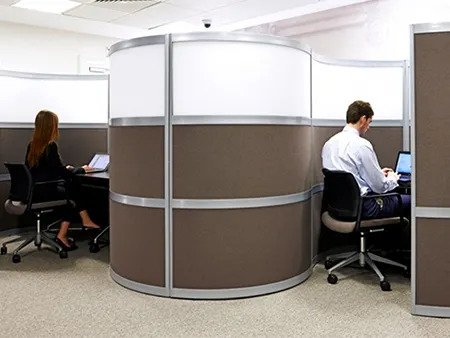
Whilst communication and collaboration between employees is key, the noise and buzz generated by open-plan office designs can have the opposite effect, distracting employees and significantly reducing productivity. Having to tolerate noise to get work done can also increase stress levels.
Creating quiet zones away from the general office, with different types of flexible furniture, affords people private, head-down time to focus on particularly demanding or deadline-driven tasks. It also has a positive effect on people’s overall productivity and personal wellbeing.
Contemplation
The needs and working styles of a multi-generational workforce vary significantly and require a workplace culture that can accommodate these differing requirements. Whilst open-plan offices promote collaboration and communication, they can be distracting to those who need thinking time and space.
Establishing quiet zones that provide calm, distraction-free areas for relaxation and creative thinking can improve overall performance and productivity. It also allows people to escape, at least for a short while, from the normal working environment and restore emotional balance.
Creating adaptable spaces that are conducive to information sharing can build stronger networks both within and outside traditional team structures. It can also generate more productive projects and ideas whilst allowing people to work and make themselves accessible.

Case Studies
Organix Brands Ltd
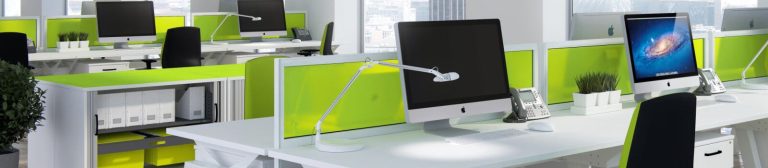
Client: Organix Brands Ltd. , Bournemouth, Dorset Project: Replacement of 52 bench workstations with Sit-Stand desks including full width desktop screens. Project…
Moat Housing Association
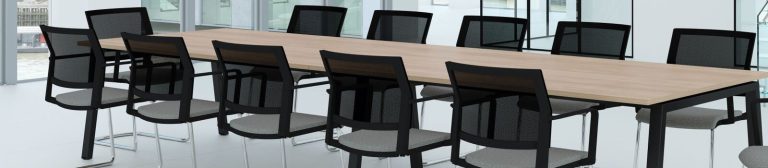
Client: MOAT Housing Association, Dartford, Kent Project: Replacement of 400 operator chairs across 5 separate sites in…
Subscribe to our newsletter
Keep up to date with our eBulletin newsletters and Product Radar datasheets
Register now“My multifunctional job requires me to frequently change between activities. It has been a great help not having to both twist my body or neck each time I need to make notes or having to re-arrange my desk in order to accommodate the different tasks. The simplicity of operating the device ensures I use it properly all the time and being tall it has helped considerably with alleviating my constant neck pain. I would not want to be without this item.”

“A good training course that had a good pace throughout and was very informative.”
NE of Bristol on the One Day DSE Assessor course
“Really enjoyed input & found it very useful for my role as a physiotherapist in offering advice to clients. Thank you.”
ATHof Dorset on the Do you want to be an assessor? course
“I have been working with these guys for years now! With lots of hard work and timely communication, they made sure they delivered the best to me. Highly recommended!”