

A series of stimulating sessions that address topical workplace issues

Explore upcoming events
The modern, hybrid working environment brings cognitive, sensory, organisational and environmental needs that extend beyond the physical setup.

Supporting neurodivergent employees: why standard DSE assessments fall short

Display screen equipment assessments have traditionally focused on tackling the…
Read More
Ergonomics inspection

From Setup to Superuser: Real Training that Makes your Ergonomics Equipment Count

Organisations spend on high-quality products only to find them underused,…

Read More

Neurodivergence or Misconduct? Striking the Balance Between Support and Accountability

True inclusion requires both knowledge and accountability.

Read More

Why Neuroinclusion is More Than Just a Buzzword in Today’s Workplace

Workplace culture has evolved significantly in recent years. The nature…

Read More

“Didn’t I Just Say That?”: What It Really Means to be Heard at Work

When you speak in a meeting, do you feel that…

Read More

Rethinking Leadership: Are Gen Z Workers Opting Out of Management?

In this article, we will explore the idea of “Conscious…

Read More

Eyeball Time: Tech Burnout, Dopamine and the Hidden Costs of Constant Availability

In today’s hyperconnected world, our devices are always within reach,…

Read More

Designing with Empathy: UX Lessons for the Modern Workplace

What if designing workplaces wasn’t just about furniture or floorplans,…

Read More

Bridging the Gap: How Inclusive Design Is Transforming Engineering for the Disabled Community

Katy Deacon shares her inspiring journey and unwavering mission to…
Read More
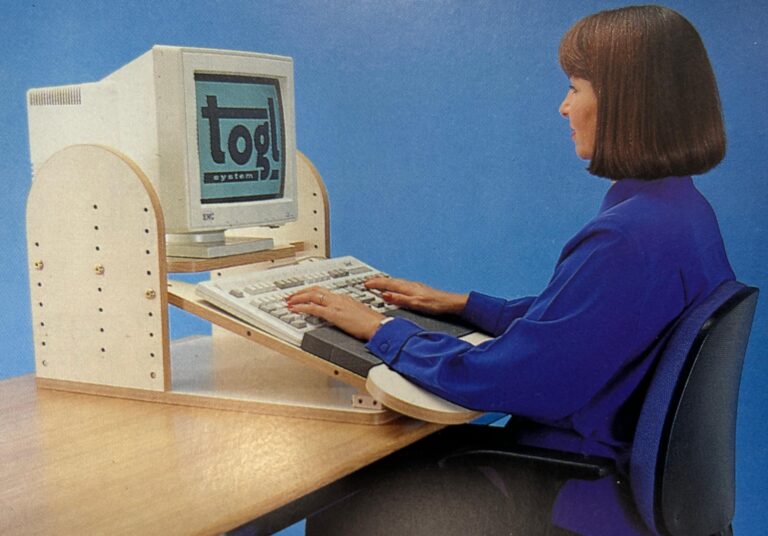
Meanwhile, pursuing another opportunity, we had been talking to Salisbury NHS Trust about a sloping computer workstation designed and developed in the Rehab Unit.

How To Stay Happy After 50 Years at Work

In the ergonomics world, I have been promoting the connection…

Read More

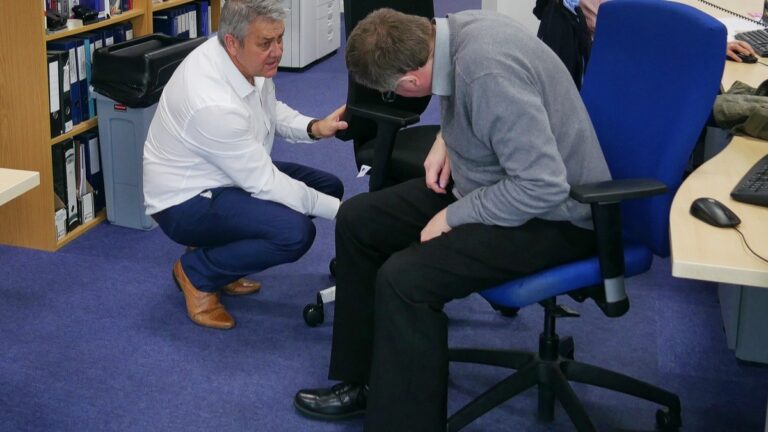
Ergonomics Live: How a Floor Walk Delivered Immediate Impact

The Challenge

A technical team operates in a highly controlled indoor environment, undertaking a combination of intensive screen work and physical tasks involving delicate materials.

Despite having adjustable desks, ergonomic seating, regular DSE assessments and manual handling training, management wanted an independent review to ensure that workstation setups and working habits had not drifted over time.

Our Approach

Osmond Ergonomics & Wellbeing delivered a half-day Ergonomics in Practice Floor Walk, combining:

  • A practical workshop on posture, fatigue and workstation setup
  • One-to-one workstation reviews carried out in the live working environment

Advice was tailored to the team’s specialist equipment, space limitations and physical demands.

The Impact

Out of 14 staff, approximately 50% of workstations were adjusted on the day.

These small but critical changes, including chair height, screen position, and input device placement, immediately reduced strain and improved comfort. The session also refreshed awareness of good working habits, helping prevent the slow return of poor posture that leads to musculoskeletal issues.

Client Feedback

“The session was perfectly pitched for the team. The preparation beforehand made it highly relevant, which is why the team were so engaged.”

Why This Matters

Even in well-managed workplaces, ergonomic drift is common. A simple floor walk delivers quick, measurable improvements that protect wellbeing, reduce injury risk, and boost productivity.

As many services move towards virtual delivery for speed and convenience, this case also highlights the enduring value of being physically present in the working environment. Observing people at work and providing live, individualised feedback allows for nuanced, practical adjustments that simply cannot be replicated remotely.

That’s what makes our floor walking service so valuable and impactful for both individuals and organisations.