
With 60 years of business under our belts, it’s safe to say that there is a lot of history and change that our company has been through before it became the Osmond Ergonomics you all know and love today.
Before Osmond Ergonomics
In 1962, Guy’s father had a number of businesses and decided to add I.S. Osmond & Sons Limited to the list. Although he was only 6 at the time, Guy would join the company straight from Southampton University in 1975 at only 20 years old.
Over the years, the company operated within a plethora of industries, always choosing to work in a niche area. This included: providing entertainment like jukeboxes, pool tables and video games to pubs and clubs, selling children’s clothing under their Piccolo brand, experimenting with t-shirt printing, early exploration of the satellite TV market, working in property development, and even opening Salisbury’s first-ever wine bar.
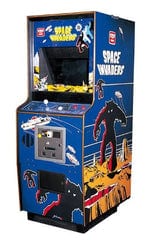
Forever working to be ahead of the curve, Guy saw the first Space Invaders arcade machine to be imported into the UK at the distributor’s tiny London showroom in 1977, and within a few months of doing so, they were buying 15 machines a week to put into pubs!
As Guy and his siblings grew up, various businesses were pursued in parallel. In 1988, when their parents retired, the sale of some activities to a major UK plc enabled the consolidation of the remainder into Osmond Group Limited.

A chance encounter with Ergonomics…
Osmond Ergonomics (a division of Osmond Group) arose from an unanticipated meeting when Guy put his back out as a result of lifting in the arcade business. After seeking some medical support, the rheumatologist he was referred to had designed a sloping workstation as a means of improving posture.
From here, Guy asked the carpentry team in his brother Max’s manufacturing business, MSA Packaging (now MSA Manufacturing), to create a sloped desktop desk which eventually became their earliest ergonomics product.
As a result of this new opportunity, Guy began Osmond Ergonomics in 1992.
Making a name for ourselves
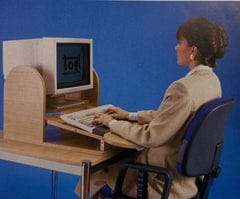
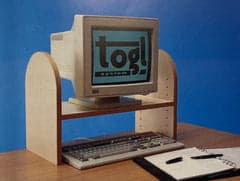
Breaking into an industry as a new company is always difficult, but Guy, recognising an opportunity as a result of the new Display Screen Equipment Regulations, came armed with a new desktop unit that had evolved from the rheumatologist’s design. It was called the TOGL Organiser (later the Reorganiser).
He launched this radical product at the Health & Safety Expo in London and quickly found that not only were back, neck and shoulder problems a common issue amongst office workers, but there was a great interest in a product like this that could help. From here, Guy began developing and creating more products, including the Screenstep, Footstep, and Highstep. The company’s reputation grew through various expos and conferences around the UK.
Getting the information out there
Towards the end of the millennium, it became increasingly apparent that providing these supportive products was not enough to stop the ever-growing number of postural and work-related musculoskeletal injuries…
As such, Guy and the team decided to begin knowledge sharing, offering their understanding and research findings to help educate employers and their personnel. Beginning with a simple Posture Guidance leaflet in the late 90s, Stretching Exercises were added soon after and, since then, an ongoing programme of guides, webinars, videos, certified training and events has been added.
Developing with the future of work
Through their various activities, it has been gratifying to see the changes and improvements Osmond has brought to people’s lives over the last 30 years and Guy looks forward to engaging with clients, consultants and specialists as we all approach the future of hybrid working.