
Exercises
You will not be able to benefit from these instructions unless you know how to adjust your chair. If you are unfamiliar with the controls, consult your Health & Safety Advisor or chair supplier. – Avoid sustained static postures. Remember that even appropriate postures become inappropriate when maintained for too long.
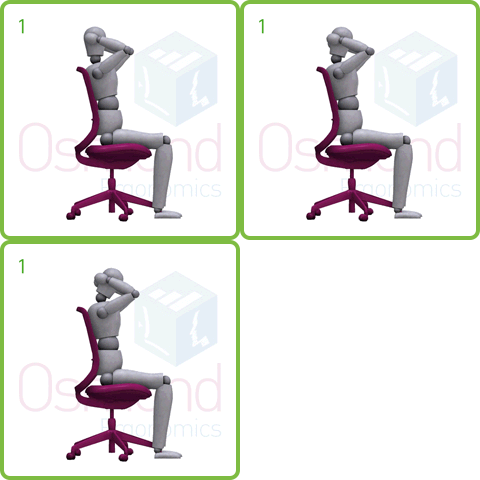
1. BACK AND NECK
Clasp hands behind head. Bend head forward, gradually stretching out the upper part of the neck, whilst breathing deeply. Keep the back and shoulder regions as upright as possible to stretch the muscles at the back of the neck. Hold for five slow breaths.
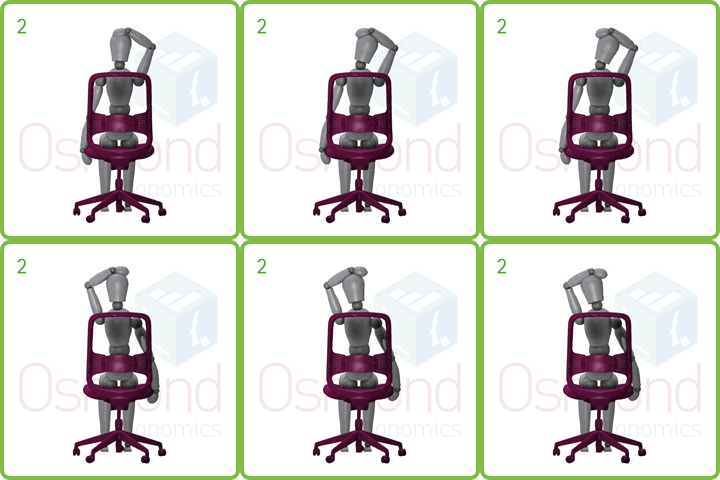
2. SIDE NECK
Place palm of left hand above right ear. Pull head to left, stretching side of neck, whilst taking three deep breaths. This stretches the muscles at the side of the neck. Repeat to other side.
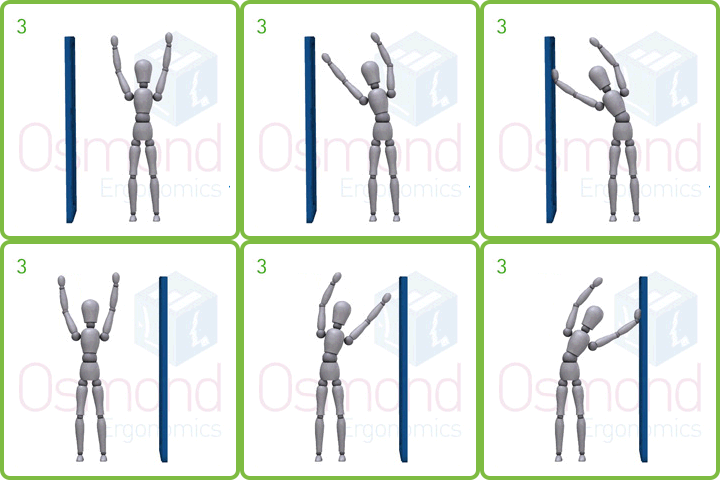
3. UPPER BACK AND SHOULDERS
Stand sideways to wall. Place right hand on wall (straight elbow) and stretch left arm over head to right. Keep feet together. Take four deep breaths in the position, repeat on other side. This stretches the side of the spine and spinal muscles.
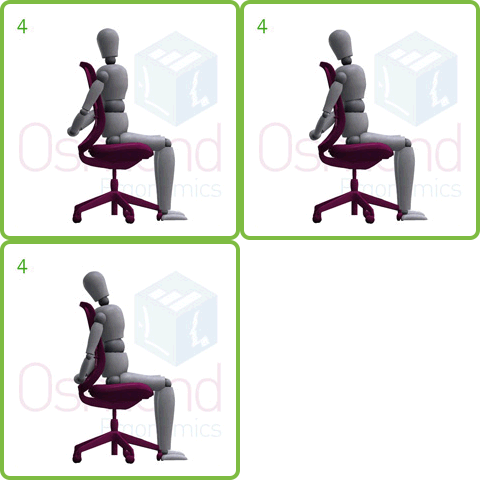
4. BACKWARD SHOULDER STRETCH
Clasp hands behind back. Reach out backwards over chair back, whilst expanding chest, arching back and lifting hands. This stretches the chest and muscles of the chest. Hold for five slow breaths.
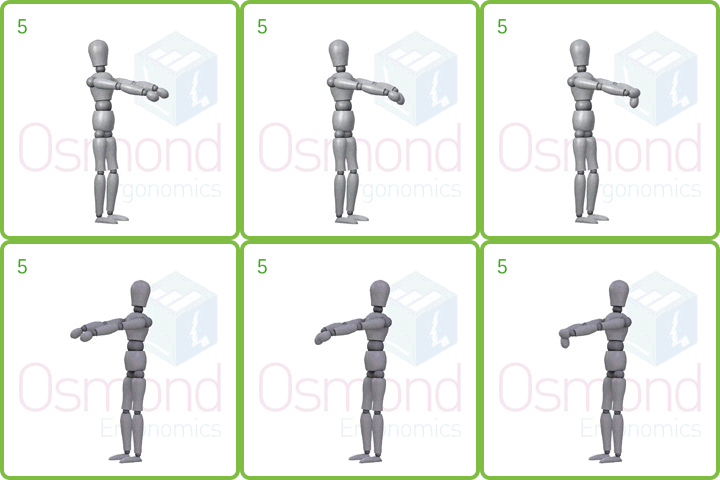
5. WRIST AND FOREARM STRETCH
Extend right arm in front, flex hand. Stretch forearm muscles by placing palm of left hand firmly across back of hand. Hold for five slow breaths. Repeat for other hand.
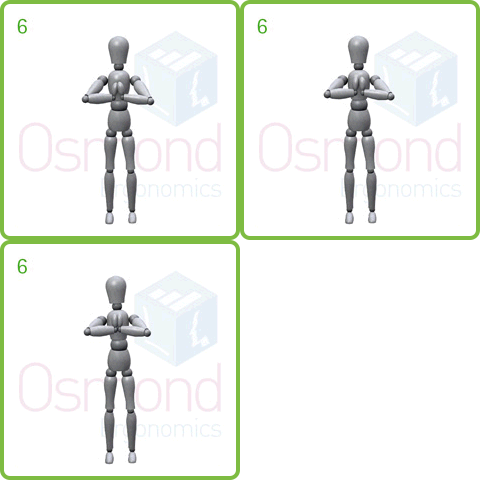
6. WRIST STRETCH
Place palms together as if praying. Raise elbows (thus extending wrists). Position fingers at the lower end of the breastbone, pressing palms fully together. Hold for five slow breaths. This stretches the muscles of the front of the wrist and arm.
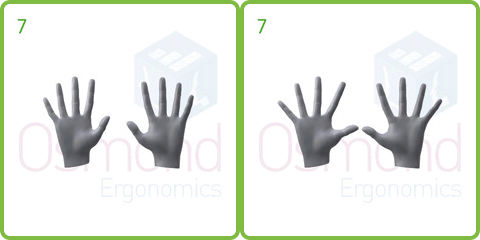
7. FINGERS AND PALMS
Hold hands in front and stretch fingers wide (fan shape). The palms should be stretched. Hold for four breaths. This stretches muscles of the hands and fingers.
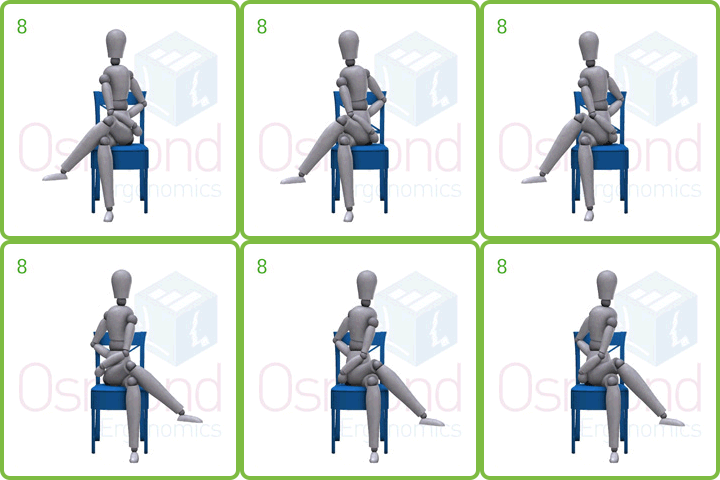
8. CHAIR TWIST
Sit on chair (preferably non-swivel type). Cross right thigh over left and twist upper body to right whilst pushing right thigh with left arm. Hold for four breaths. Repeat on other side. This stretches the muscles of the lumbar region.