
In a powerful episode (No. 17) of the Guy Osmond Podcast, Chartered Electrical Engineer and advocate Katy Deacon shares her inspiring journey and unwavering mission to drive inclusive design within engineering, architecture, and technology. As the founder of Towards Belonging Limited, Katy is at the forefront of a movement that connects the lived experiences of disabled individuals with the technical minds designing our world.
“Engineering must serve everyone. Accessibility isn’t a bonus—it’s a baseline.” – Katy Deacon
The Power of Inclusive Design
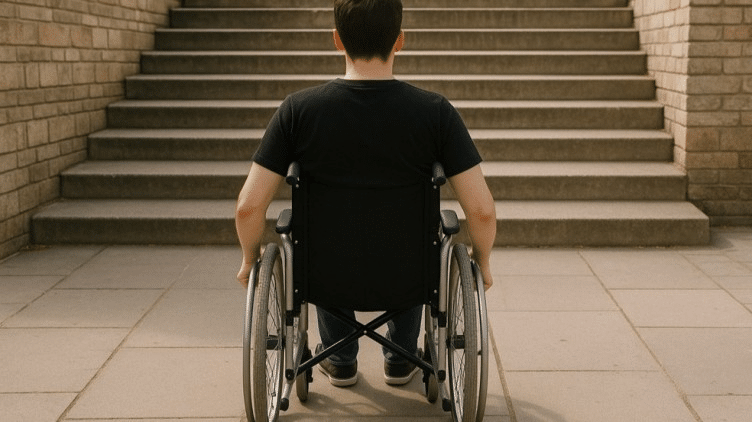
Inclusive design is more than a buzzword—it’s a necessity. As Katy explains, many built environments still fail to consider the full spectrum of human experience. From inaccessible public buildings to poorly designed digital systems, the oversight isn’t just inconvenient—it’s exclusionary.
Katy’s work advocates for intentionally inclusive systems—spaces that aren’t just compliant but truly usable by all, regardless of ability.
A person in a wheelchair facing an inaccessible building entrance.
Katy Deacon: From Engineering Apprentice to Accessibility Advocate
Katy’s story is one of resilience and reinvention. Beginning her career as an avionics apprentice at British Airways, she quickly made waves, earning top academic honours and being named the IET Young Woman Engineer of the Year in 2006. But when the aviation industry faced setbacks, Katy pivoted into electrical design for buildings, later focusing on renewable energy systems and low-carbon buildings.
Being diagnosed with multiple sclerosis (MS) in 2012 marked a turning point. After years of navigating the world in a wheelchair—and personally experiencing the barriers posed by poor design—Katy was driven to make a difference.
Through her business, Towards Belonging Limited, she now works to ensure that disabled voices are heard in engineering conversations and that inclusive design becomes a foundational standard, not an afterthought.
The Role of Technology and AI in Accessibility
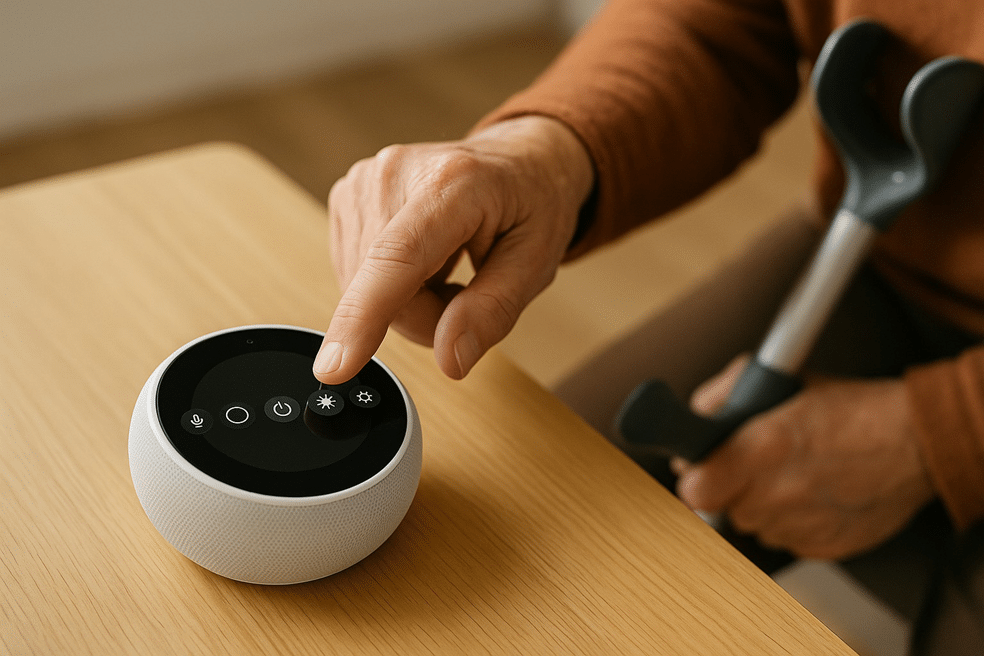
Katy and Guy also explore the emerging role of AI and advanced technologies in designing better, more accessible environments. From smart sensors to predictive analytics in public spaces, innovation is beginning to support inclusion in powerful new ways.
However, Katy cautions that technology must be designed with empathy and diverse input. Without lived-experience feedback, even the most advanced systems can fall short.
Towards Belonging: Redefining the Future of Engineering
Katy’s company, Towards Belonging Limited, is not just a consultancy—it’s a mission. It helps bridge the disconnect between disabled communities and engineers by:
- Facilitating workshops with lived-experience speakers
- Consulting on inclusive building projects
- Influencing education and policy within engineering institutions
Her leadership roles as Vice President of the Institution of Engineering and Technology (IET) and visiting professor at multiple universities enable her to educate and inspire the next generation of engineers to design with inclusion at the core.
Final Thoughts: Why Inclusion Is the Future
This blog is a powerful reminder that inclusive design benefits everyone—not just those with visible disabilities. Thoughtful, empathetic engineering improves outcomes for people of all abilities, ages, and backgrounds.
As Katy puts it, “Designing for inclusion is designing for dignity.”
Want to Learn More?
Listen to the full episode of the Guy Osmond Podcast featuring Katy Deacon and be inspired by how inclusive design can shape a better future for all.
Podcast Episode:
Find the conversation here on Spotify or visit our Podcasts page for other platforms.
Learn more at: https://towardsbelonging.co.uk.